Modeling Religion and Health
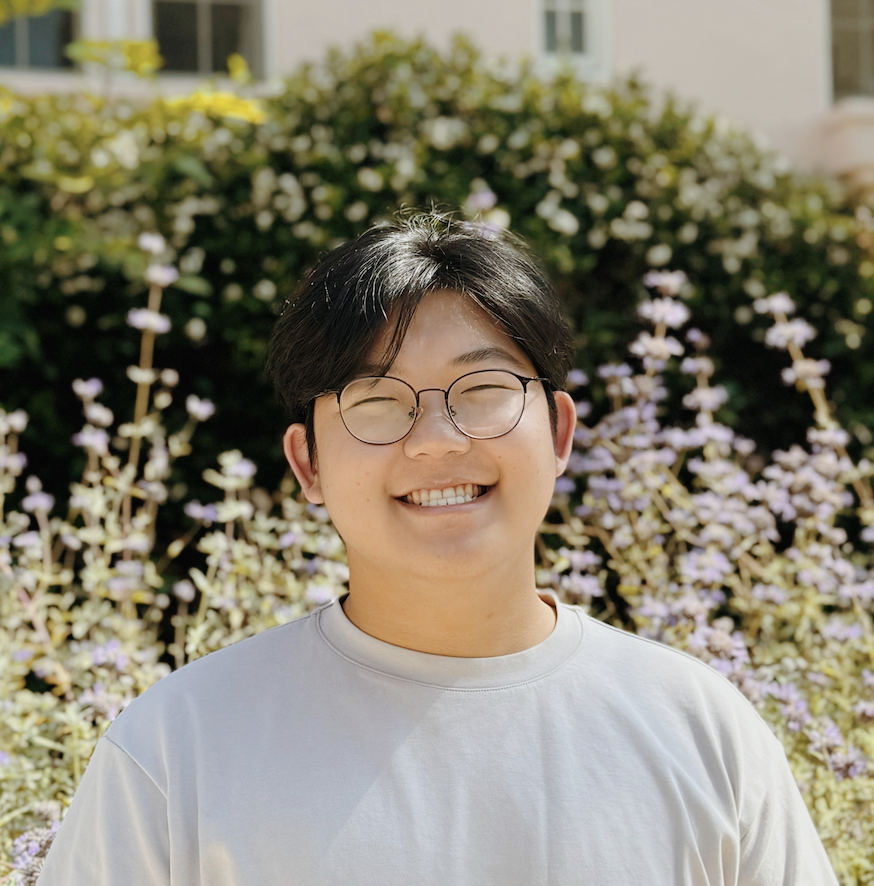
My name is Seungju Kim1 and thank you for visiting my personal website detailing my research interests and work!
I am a National Science Foundation Graduate Research Fellow and second-year PhD student in Clinical/Community Psychology Program at the University of Illinois under Dr. Nathan Todd.
My research is broadly focused advancing the science of LGBTQ+ health disparities by looking ath the socio-ecological effects of religion/spirituality.
Recent News
Research Interests
My research is ultimately informed by my commitment to creating lasting change for the health and well-being of LGBTQ+ people within the context of religion.
I engaged in modeling how religion/spirituality across varying socioecological levels are associated with health for LGBTQ+ individuals.
I currently pursuing efforts in meta-science focused on advancing methodological rigor in LGBTQ+ health research. This includes critically examining dominant theoretical frameworks, methodological innovations (e.g., Bayesian inference), and creation of software/resources to advance the quantitative infrastructure of LGBTQ+ science.
As part of my commitment to translational research, I seek to collaborate with religious communities to develop empirically-supported, culturally-responsive resources and training protocols. This work aims to enhance the capacity of religious leaders, institutions, and families to effectively support LGBTQ+ individuals in ways that honor both their faith commitments and sexual/gender identities.
Education & Training
Prior to beginning his doctoral studies, Seungju earned his B.A. in Psychology magna cum laude from Wheaton College, where he completed an honors thesis examining psychological well-being in religious mixed-orientation marriages during his junior year. His research training began as a freshman working with Dr. Sandra Rueger, before joining Dr. Mark Yarhouse at the Sexuality and Gender Identity Institute, where he contributed to a national study investigating the complex intersection of faith and LGBTQ+ identities.
Expanding his research training before his senior year, Seungju established significant external collaborations with leading researchers. At Utah State University, he worked with Dr. Tyler Lefevor examining the effects of religiousness and spirituality on LGBTQ+ mental health, where he developed skills in psychometric scale development and validation using R’s {psych} and {lavaan} packages.
Simultaneously, Seungju joined Dr. David Wang at Fuller Theological Seminary, analyzing longitudinal data from a $1.9 million study on spiritual formation. This collaboration strengthened his experience in sophisticated longitudinal modeling using R and Mplus, examining complex patterns of change over time.
His quantitative methodological expertise was further enhanced when he was selected for the competitive NSF-REU Health Equity summer internship at the University of Nebraska-Lincoln. Working with Drs. Katie Edwards and Lorey Wheeler on multiple NIH-funded studies examining LGBTQ+ youth and emerging adults, Seungju gained advanced skills for identifying mischievous responders in survey data, regression models, and scale development. He was later recruited as a post-bac research associate at the UNL methodology and psychometrics center.
Before entering graduate school, Seungju was awarded the National Science Foundation Graduate Research Fellowship, among one of the only awardees at Wheaton.