Advancing Health Equity Research
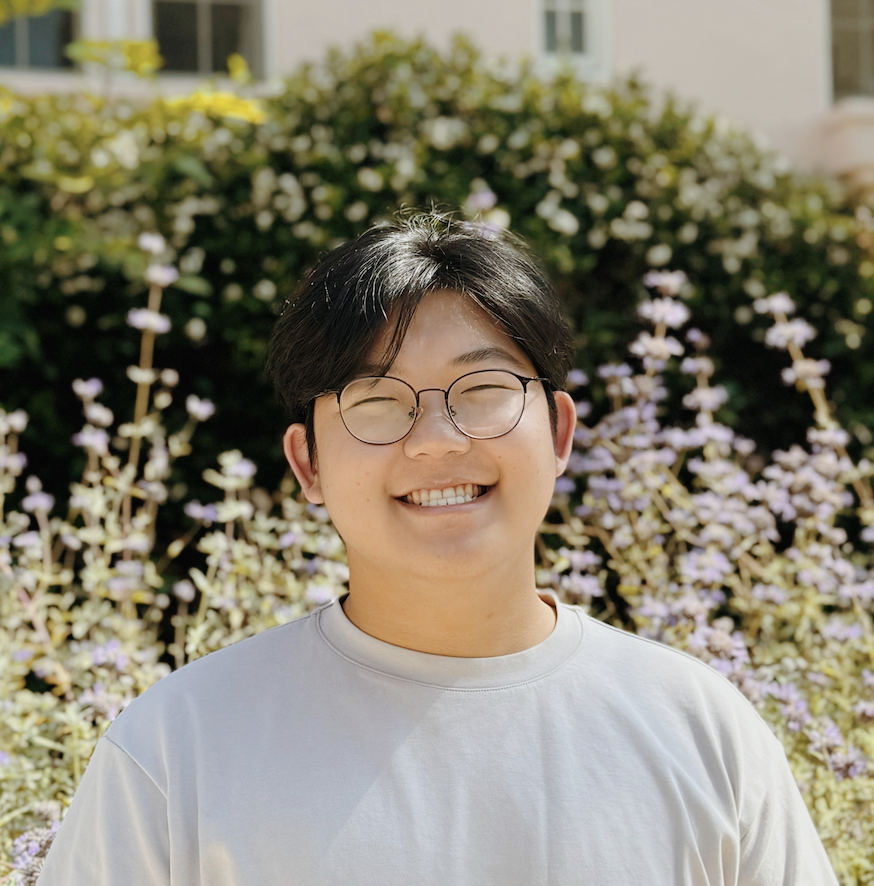
My name is Seungju Kim1 and thank you for visiting my personal website
detailing my research interests and work!
I am a National Science Foundation Graduate Research Fellow and third-year PhD student in Clinical/Community Psychology Program at the University of Illinois.
My research is broadly focused advancing the science of LGBTQ+ health disparities by looking at
socio-ecological sources of stigma and resilience.
Recent News
Research Interests
My research is ultimately informed by my commitment to creating lasting change for the mental and behavioral health of LGBTQ+ people through three lines of research:
I use longitudinal methods to map the dynamic pathways through which stigma, resilience, and social context accumulate over time to produce mental health disparities among LGBTQ+ individuals.
I invest in the meta-scientific infrastructure of LGBTQ+ health research — through systematic review, meta-analysis, and tools like stigmaR — to strengthen how the field measures, synthesizes, and communicates evidence.
I examine how religion and spirituality across socioecological levels — from individual beliefs to structural policy — shape mental health for LGBTQ+ individuals, with particular attention to conservative religious contexts.
Education & Training
Seungju’s research is grounded in a deep commitment to the flourishing of LGBTQ+ people. His training spans the full spectrum of religious and clinical contexts — from conservative evangelical institutions to affirming community settings — reflecting his conviction that achieving health equity for LGBTQ+ people, particularly youth in conservative families and churches, requires building bridges across difference rather than around it.
Prior to beginning his doctoral studies, Seungju earned his B.A. in Psychology magna cum laude from Wheaton College, where he completed an honors thesis examining psychological well-being in religious mixed-orientation marriages during his junior year. His research training began as a freshman working with Dr. Sandra Rueger, before joining Dr. Mark Yarhouse at the Sexuality and Gender Identity Institute, where he contributed to a national study investigating the complex intersection of faith and LGBTQ+ identities.
Expanding his research training before his senior year, Seungju established significant external collaborations with leading researchers. At Utah State University, he worked with Dr. Tyler Lefevor examining the effects of religiousness and spirituality on LGBTQ+ mental health, where he developed skills in psychometric scale development and validation using R’s {psych} and {lavaan} packages.
Simultaneously, Seungju joined Dr. David Wang at Fuller Theological Seminary, analyzing longitudinal data from a $1.9 million study on spiritual formation. This collaboration strengthened his experience in sophisticated longitudinal modeling using R and Mplus, examining complex patterns of change over time.
His quantitative methodological expertise was further enhanced when he was selected for the competitive NSF-REU Health Equity summer internship at the University of Nebraska-Lincoln. Working with Drs. Katie Edwards and Lorey Wheeler on multiple NIH-funded studies examining LGBTQ+ youth and emerging adults, Seungju gained advanced skills for identifying mischievous responders in survey data, regression models, and scale development. He was later recruited as a post-bac research associate at the UNL methodology and psychometrics center.
Before entering graduate school, Seungju was awarded the National Science Foundation Graduate Research Fellowship, among one of the only awardees at Wheaton.